
Where Does Our Rubbish Go? About Australia’s Waste Journey
The everyday items we throw away, where do they really end up? Most of us rarely give it a second thought, the moment it hits the bin. But did you know that Australians generate over 75 million tons of waste every year?
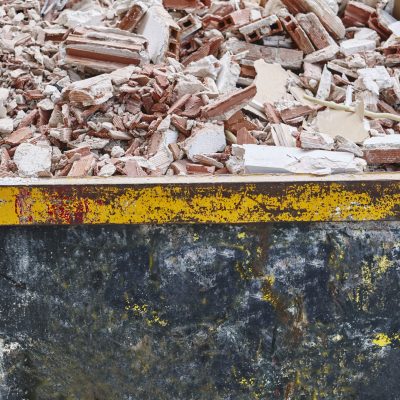
This creates massive challenges for waste management systems across the country. Unfortunately, not all waste makes it to a safe destination: around 130,000 tons of Australian plastic end up in waterways and oceans each year. But it’s not just household rubbish that’s the issue. Construction and demolition alone contribute more than a third of Australia’s total waste.
So, where does it go? It typically depends on where you live and the type of rubbish you produce. Your local council plays a critical role in how it’s collected, sorted, and processed. But understanding where it goes and how it’s handled is essential to helping make smarter choices and reducing our environmental footprint.
- Australia generates over 75 million tons of waste each year, with construction, demolition, and commercial sectors producing the majority.
- Household waste, while smaller in volume, has big impacts due to food scraps, plastics, glass, and textiles that often end up in landfills or pollute the environment.
- Around 40% of waste still goes to landfill, which contributes to methane emissions, water pollution, and habitat destruction.
- Recycling systems face challenges like contamination, low market demand for certain materials, and confusion about what can actually be recycled.
- Waste-to-energy plants and recycling upgrades are growing, helping reduce landfill reliance and turn rubbish into resources.
- Government targets aim for a circular economy by 2030, with investments in new recycling facilities and container deposit schemes nationwide.
- Individuals play a critical role by sorting waste properly, reducing household rubbish, composting, and avoiding “wish-cycling.”
- Hiring a skip bin makes waste management easier, especially for large cleanups, while ensuring recyclable materials are recovered responsibly.
In this post, we’ll take a closer look at Australia’s waste journey, from your bin to its final destination.
How Much Rubbish Does Australia Actually Produce?
Our waste problem is bigger than most people realise. In the 2022–23 financial year, we generated an estimated 75.6 million tons of waste, that is roughly the weight of a small car for every Australian!
Who’s Creating All This Waste?
When you break down where all this rubbish comes from, three main sectors emerge as the biggest contributors:
- Construction and demolition: Taking the lead, this sector produced 29.2 million tons, making up 39% of Australia’s total waste. It’s grown rapidly, increasing by 73% over the past 15 years.
- Commercial and industrial operations: Including ash from power generation, this sector accounts for 32.9 million tons or 44% of the total waste stream.
- Households and local government: Together, they contribute 13.5 million tons, or 18% of Australia’s waste.
It’s not all bad news though: Despite overall waste generation increasing by about 20% over 15 years, Australia’s population rose by 25% and GDP by 38%. This means per capita waste has actually slightly decreased by 3.3% since 2006–07, showing that we’re gradually managing our rubbish more efficiently.
What Makes Household Waste So Problematic?
Even though households don’t produce the most waste by volume, what we throw away has a significant environmental impact. Households are the main source of several challenging waste types:
- Organic waste (food and garden scraps): Making up over half of household waste (around 6.4 million tons), organic waste produces methane, a potent greenhouse gas, when it decomposes in landfills. This contributes significantly to climate change if not properly managed through composting or other recovery methods.
- Plastics: Nearly half of household plastic waste ends up in landfills or, worse, in waterways and oceans. Plastics take hundreds of years to break down, leach harmful chemicals, and pose serious risks to wildlife and ecosystems.
- Glass: While recyclable, household glass often ends up contaminated or broken, making it difficult to recycle efficiently, which leads to more landfill use and energy-intensive recycling processes.
- Textiles: Almost 90% of household textiles are discarded, and many fabrics contain synthetic fibres that don’t biodegrade. This adds to landfill volumes and can release microplastics into the environment.
In comparison, the commercial and industrial sector produces the most hazardous waste, which is tightly regulated. Household waste, on the other hand, is often mixed and unmanaged, meaning these materials can end up in landfills or the environment.
How Do We Stack Up Globally?
Compared to other developed countries, Australia sits somewhere in the middle for waste generation. We produce about 2,260 kg of waste per capita when adjusted for international comparison.
This puts us below countries like the UK (3,050 kg) and the USA (2,480 kg), but we’re still generating significantly more than Singapore (1,280 kg), which has the lowest waste generation per person among comparable countries.
Our recycling performance tells a mixed story. Australia’s adjusted recycling rate of 67% is on par with Hungary (71%) and the USA (63%). However, we rank 10th in municipal solid waste recycling rates at just 44% – clearly, there’s room for improvement in how households manage their waste.
One area where Australia lags behind is thermal processing of waste. Unlike most developed countries, we conduct very little waste-to-energy processing, though some facilities are under development in Western Australia, with others planned for Victoria.

How Landfills Affect the Environment
- Methane emissions and climate impact: When organic waste breaks down in landfill, it produces gases like methane and carbon dioxide. Methane, in particular, is a powerful greenhouse gas that contributes significantly to climate change. While some sites capture and use these gases for energy, many still release them directly into the atmosphere, adding to our carbon footprint.
- Land use and pollution risks: Landfills also place stress on the land itself. They generate leachate, a polluted liquid that can seep into soil and waterways, threatening ecosystems and human health. Beyond this, they bring issues like bad odours, dust, litter, and habitat destruction. Wildlife often suffers too, as landfill sites take up large areas of natural space and disrupt local ecosystems.
- Why reducing landfill matters: Reducing our reliance on landfills is one of the most effective ways to protect the environment. By recycling, composting, and finding smarter ways to reuse materials, we can cut down on pollution, conserve resources, and limit the harmful effects waste has on our planet. What Happens to Your Rubbish After Collection?
Once your rubbish leaves the curb, it begins a complex journey through Australia’s waste management system. Where it ends up depends on which bin you used and the setup your local council provides.
Most Australian households use a two- or three-bin system:
- Red lid bin for general waste destined for landfill
- Yellow lid bin for mixed recyclables (paper, plastic, glass, metal)
- Green lid bin for garden organics and sometimes food waste
Bins are collected weekly or fortnightly, depending on the type of waste. This system is more effective because it separates waste at the source, boosting recovery rates. Many councils also encourage a smaller general waste bin (80–140L) alongside standard 240L recycling and green bins, which encourages residents to recycle more and landfill less.
Material Recovery Facilities (MRFs)
Yellow-lid recyclables head to a Materials Recovery Facility (MRF), where a combination of human workers and advanced machinery sorts materials.
Here’s how it works:
- Trucks unload recyclables onto a tipping floor.
- Workers remove obvious non-recyclables.
- Automated systems take over, using magnets for steel cans, electronic scanners for plastics, and optical sorters for paper and other materials.
Modern MRFs can sort recyclables into up to eight different streams, recovering as much as 97% of incoming materials. Once sorted, these materials are sent to manufacturers to be transformed into new products. A MRF in Perth, for example, can process 50 tons of recyclables per hour.
Transfer Stations and Sorting Centres
Transfer stations are logistics hubs for waste. Australia has 872 transfer stations, which play a crucial role in combining, sorting, and moving waste efficiently.
- Rural areas: Residents without kerbside collection use transfer stations instead of small landfills.
- Urban areas: Large facilities compress waste into long-haul trucks to make transportation more efficient and reduce costs.
Skip Bin Removal
For large amounts of general and office waste, green waste, construction, renovation, or large-scale cleanup projects, skip bins provide a convenient way to collect and remove rubbish efficiently. After collection, skip bin contents usually follow the same sorting and processing pathways as kerbside waste, ensuring materials are either recovered or disposed of responsibly.
Many skip hire companies (like us at Cheapa Skips!) go a step further by sorting and recycling materials wherever possible. This means items like metal, timber, concrete, and some plastics can be diverted from landfill and sent to recycling facilities, reducing environmental impact and promoting more sustainable waste management practices.

Where Does The Rubbish Go In Australia?
Once collected and sorted, Australia’s rubbish can end up in several different places depending on the type of waste, your location, and the infrastructure available. Here’s where it all goes:
Landfills
Landfills handle about 40% of Australia’s total waste and bury about 20 million tons of waste in landfills each year. The country has 1,168 operational landfills (both licensed and unlicensed). These facilities range from small trench-based sites that handle less than 1,000 tons yearly to large engineered facilities processing over 100,000 tons every year.
Recycling Facilities And Reuse
The Recycling Modernisation Fund shows Australia’s commitment to better waste management. The Australian Government has contributed over AUD 305 million to new and upgraded facilities. This national program wants to expand the country’s ability to sort, process, and remanufacture materials like glass, plastic, tires, paper, and cardboard. The announced projects will boost Australia’s annual processing capacity by more than one million tons.
Composting and organic waste processing
Organic waste processing is a vital part of Australia’s waste management system. Australia generated about 48 million tons of organic waste in 2021-22. Food waste, garden organics, timber waste, and biosolids made up 14.4 million tons of this total. Companies recycled or recovered 8.29 million tons (58%) of these materials.
Industrial composting facilities take organic waste and break it down in controlled stages using air and heat. The process goes through three phases: an initial breakdown, heating to kill off harmful microbes, and final maturing, before turning into nutrient-rich compost. This compost is then used on farms and gardens, while keeping millions of tons of waste out of landfills.
Waste-to-energy plants
Waste-to-energy (WtE) plants are facilities that turn rubbish into usable energy instead of sending it to a landfill. They focus on non-recyclable waste, the types of rubbish that can’t easily be reused or processed through recycling
At Australia’s first large-scale WtE plant in Kwinana, south of Perth, up to 460,000 tons of non-recyclable waste can be processed every year. That’s about a quarter of all the rubbish Perth would normally send to landfill.
- Rubbish is burned at high temperatures using advanced technology
- The heat produced creates steam, which drives turbines to generate electricity.
- Leftover metals are recovered and recycled, while other by-products (like ash) can be reused in construction materials.
The country has at least ten similar developments in progress that could incinerate 2 million tons of waste yearly.
Why Does Some Recycling Still End Up in Landfill?
It’s frustrating to think that even when we carefully sort our waste, much of it can still end up in a landfill. Unfortunately, several challenges within Australia’s waste system make this a reality.
1. Contamination in Recycling Bins
The biggest reason recyclables end up in landfills is contamination. This happens when non-recyclable or dirty items are mixed in with otherwise recyclable materials. Common problems include:
- Broken glass: Shattered glass often embeds into paper and cardboard, making them useless for recycling.
- Food residue: Greasy pizza boxes or food-soiled containers can’t be processed. Even small amounts of residue can spoil entire batches of recyclables.
- Mixed materials: Items like coffee cups (plastic lining + paper) are often too complex to separate, so they’re rejected.
But contamination doesn’t just affect single items; it can ruin entire loads of recycling, sending them straight to landfill.
2. Lack of Market Demand
Recycling only works if there’s demand for the materials. When China introduced strict import restrictions in 2018, it disrupted Australia’s recycling system overnight. China had been a major buyer of our recyclables, and suddenly, exports of recovered glass dropped significantly.
With fewer buyers, materials began piling up in stockpiles, and in some cases, heading to landfills. Certain materials remain especially problematic:
- Textiles, leather, and rubber: Only 5% recovery rates, despite the common beliefthat they’re recyclable.
- Plastics: Just 12.5% of plastic is recycled in Australia, meaning nearly 9 out of 10 plastic items end up in landfill.
3. Wish-Cycling and Confusion
“Wish-cycling” happens when people put something in the recycling bin hoping it can be recycled, even if it can’t. This is common because recycling rules vary between states and councils, and 17% of Australians say they struggle to find clear information.
Wish-cycling causes bigger problems than just one wrong item. It:
- Slows down recycling facilities
- Increases costs for processing
- Can even damage sorting equipment (e.g., soft plastics wrap around conveyor belts)
This means that even good recyclables are often rejected alongside the contaminated items and sent to landfill.
Read More: What Can and Can’t Be Recycled in Australia

What Is Being Done to Improve Waste Management?
Australia is taking big steps to improve the way waste is managed, moving away from a “take, use, throw away” system and towards a circular economy. This means keeping materials in use for as long as possible and reducing our reliance on landfills.
National Strategies And Targets
The Australian Government has set ambitious national targets through the National Waste Policy Action Plan. These goals focus on reducing waste, increasing recycling, and supporting the shift to a circular economy by 2030. Dedicated advisory groups and funding programs are helping drive this transition forward.
State-Level Initiatives
States and territories are also playing their part with initiatives like Container Deposit Schemes. These programs reward people for returning bottles and cans, helping to boost recycling rates and reduce litter. By the end of 2025, every state and territory aims to have a scheme in place.
Building Stronger Recycling Industries
Investments are being made to grow Australia’s recycling capacity and create stronger local industries. New recycling facilities and upgraded infrastructure are helping us process more materials onshore, instead of relying on overseas markets. This shift supports jobs, innovation, and a more sustainable future.
What Individuals Can Do
Waste reduction also starts at home. Small daily habits like choosing products with less packaging, composting food scraps, donating items instead of throwing them away, and recycling correctly can make a big difference.
Another practical way to manage waste responsibly is by hiring a skip bin. A skip bin makes it simple to separate different waste types and ensure they’re disposed of correctly. Instead of multiple trips to the tip, everything is collected in one place, sorted, and taken to licensed facilities where recyclable materials can be recovered.
The Bottom Line
Australia’s waste challenge is big, but every step forward counts. While landfills continue to create long-term environmental problems, national policies, recycling programs, and community action are helping shift us towards a circular economy. The reality is, change doesn’t just come from government initiatives; it starts with everyday choices too.
By recycling correctly, reducing what we throw away, and using services that prioritise responsible disposal, we can all play a role in reducing landfill waste. Hiring a skip bin is one of the simplest ways to manage large amounts of rubbish while ensuring as much as possible is sorted, recovered, and kept out of landfill.
Ready to do your part and make clean-ups easy? Book with Cheapa Skips today and let’s keep Australia cleaner!