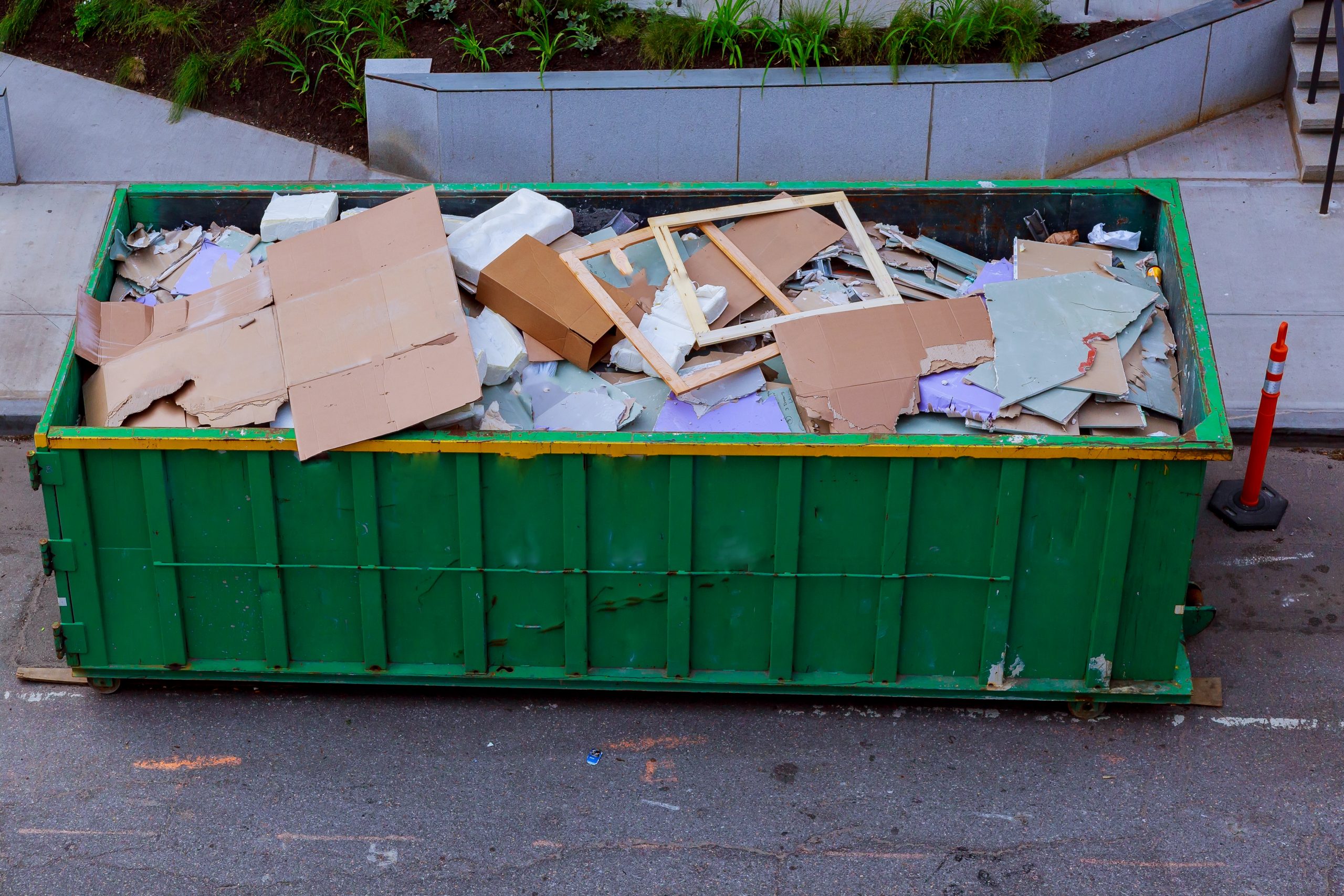
QLD Waste Levy Update
Australia generates a lot of waste, over 75 million tonnes every year, and roughly 20 million tonnes of that ends up in landfill. With so much waste being generated by individuals, builders and businesses, reducing what we send to landfill has become a major focus, particularly when materials could be reused, recycled or recovered.
One of the ways Queensland is tackling this is through the Queensland Waste Levy which is designed to encourage businesses, industry and households to reduce, reuse and recycle more, with the goal of sending only waste that cannot be recovered to landfill.
So, when you’re budgeting for a build, a demolition, a renovation or even a weekend clean-out, the big costs are usually easy to spot: materials, labour, equipment and permits. But what about everything you’re going to throw away along the way?
In this guide, we’ll break down what the QLD Waste Levy is, what it costs, how it applies to construction and demolition waste, and the practical ways you can manage your waste (and your budget) more effectively.
Key Takeaways
- The Queensland Waste Levy is a government charge on waste sent to landfill, introduced on 1 July 2019 to encourage waste reduction, reuse, recycling and resource recovery.
- The Waste Levy is different from a tip or gate fee. Landfill operators pay the levy to the Queensland Government and may pass the cost on through disposal fees and skip bin pricing.
- Separating waste at the source makes waste recovery easier and can help prevent contamination, additional sorting charges and rejected loads.
- The Waste Levy rate is not the only factor affecting skip bin costs. Waste type, weight, contamination, bin size, location and collection requirements can all influence the final price.
- Skip bins can make waste management easier by keeping waste contained on-site, reducing repeated trips to the tip and allowing different waste streams to be managed more efficiently.
- Planning waste disposal before a project begins can help avoid unexpected costs. Identify the types of waste you’ll generate, choose suitable bins and plan collections around different stages of the project.
- The best way to manage Waste Levy costs is to reduce the amount of waste sent to landfill in the first place. Reuse, recycle, separate and recover materials wherever possible.
What Is the QLD Waste Levy?
Introduced by the Queensland Government on 1 July 2019, the Waste Levy is a charge applied to waste that is disposed of in landfill. The idea is fairly simple: make landfill disposal more costly and encourage businesses, builders and households to reduce, reuse and recycle wherever possible.
The levy forms part of Queensland’s broader Less Landfill, More Recycling 2035 strategy, which aims to increase resource recovery and reduce the amount of waste sent to landfill.
Is the Waste Levy the Same as a Tip Fee?
Not quite. The Waste Levy and the tip fee are two different charges, although you may see both reflected in the final cost of disposing of your waste.
The Waste Levy is collected by the landfill operator and passed on to the Queensland Government. The tip fee, or gate fee, covers the landfill operator’s own costs, such as labour, machinery, land and site operations.
For customers, these costs can ultimately be built into skip bin prices, landfill charges and waste disposal fees. So, while you may not pay the Queensland Government directly, the levy can still form part of what you pay to have your waste collected and disposed of.
How Much Is the QLD Waste Levy in 2026-27?
For the 2026-27 financial year, the general Waste Levy rate is $135 per tonne in the metropolitan levy zone and $100 per tonne in the regional levy zone. Higher rates apply to certain categories of regulated waste.
| Waste type | Metropolitan Zone | Regional Zone |
| General waste | $135/tonne | $100/tonne |
| Category 1 regulated waste | $215/tonne | $198/tonne |
| Category 2 regulated waste, including asbestos | $165/tonne | $137/tonne |
💡The rate is scheduled to increase over time, so Waste Levy costs can change from one financial year to the next.
Which Areas Are Covered by the Waste Levy?
The Waste Levy applies across designated levy areas in Queensland, with different rates applying to metropolitan and regional zones. Where waste is generated can also affect the levy that applies, so the location of your project and where the waste ultimately goes both matter.
For anyone booking a skip bin, this is another reason to work with a provider that understands the local waste requirements. The cost of disposing of a load isn’t simply about the size of the bin, but what’s inside it, where it comes from and where it goes too.

Does the Waste Levy Apply to Construction and Demolition Waste?
Yes. Construction and demolition waste is generally included in the general levy category when it is sent to landfill. That can include waste such as timber, plasterboard, mixed demolition debris, packaging and other materials that cannot be recovered.
This is particularly important when you’re planning a renovation, demolition or new build because construction projects can generate a surprisingly large amount of waste. The more material that ends up going to landfill, the greater the potential disposal cost.
One thing to consider is materials that are recovered or recycled can be diverted from landfill altogether. Separating suitable materials such as clean concrete, scrap metal and recyclable timber can therefore be an important part of managing both your environmental impact and your waste budget.
It is also important to note that clean earth is no longer exempt from the Waste Levy when sent to landfill. The exemption was removed on 1 July 2023, meaning soil, rubble and clean fill sent to landfill can now attract the general levy rate. That’s why dedicated options for soil, concrete and other heavy materials can be a better choice than simply throwing everything into a general waste skip.
| 💡 Don’t assume every type of building waste should go into the same bin. Before starting your project, check what materials you’ll be disposing of, how they’re classified and whether they can be recycled or require a dedicated skip. Choosing the right bin from the outset can help keep your site organised and avoid unnecessary disposal costs. |
How Skip Bins Can Help You Manage Waste Levy Costs
The Queensland Waste Levy is designed to encourage better waste management. That means the way you sort you waste can make a difference to the overall cost of your project. Skip bin hire makes this easier by giving you a dedicated place to sort waste at the source, rather than piling everything together and figuring it out at the tip.
- Make Sorting Waste Easier: Using the right bin for the right material can make it much easier to separate waste before it leaves your site. Green waste, concrete, bricks and general rubbish can be kept apart, helping suitable materials stay out of landfill and making recovery and recycling more straightforward.
- Avoid Unnecessary Disposal Costs: Mixed loads can be more difficult and expensive to process, particularly when they contain heavy materials or unsuitable items. By keeping recyclable and heavy materials separate, you can reduce the amount of waste going to landfill and avoid unnecessary disposal charges associated with contaminated or unsuitable loads.
- Save Time on Trips to the Tip: A skip bin also means you don’t have to spend your weekend loading up a trailer, driving to the tip, unloading it and doing it all over again. Your waste is collected from the site, helping reduce multiple trips, fuel costs and the time spent managing waste during a busy project.
- Let the Right People Handle the Waste: A reputable skip bin provider can also help ensure your waste is handled through the appropriate disposal or resource recovery channels. Depending on the type of waste and the service you choose, materials may be sorted, recycled or recovered rather than simply sent straight to landfill.
What Can You Put in a Skip Bin in Queensland?
Not everything that comes off a building site belongs in the same skip bin. Choosing the right bin for your waste can make disposal simpler, safer and potentially more cost-effective.
A standard general waste skip bin is suitable for many common household and light renovation materials, including furniture, timber, packaging, general building offcuts and everyday rubbish. But once you start dealing with heavier, specialised or easily recyclable materials, a dedicated bin may be the better option.
This matters because what’s in your bin can affect how the load is handled and charged at the disposal facility. Heavy materials such as concrete, bricks and soil can add weight quickly, while materials such as green waste may be better suited to recycling or resource recovery rather than landfill.
Materials That Typically Need a Different Bin
- Concrete, bricks and rubble, best suited to a concrete and heavy waste skip bin, given how quickly they add weight
- Green waste such as branches, grass clippings and garden offcuts, which can often be diverted to mulching instead of landfill in a green waste skip bin
- Mixed construction and demolition waste from a larger job, suited to a construction waste skip bin
What Can’t Go in a Skip Bin
Some materials should never be placed in a standard skip bin, regardless of the type of project you’re working on. These can include: Asbestos, gas bottles, paint, chemicals, batteries, tyres and liquid waste.
These materials require specialist handling and disposal. Asbestos is particularly so, as it is classified as Category 2 regulated waste and must be taken to an appropriately licenced facility rather than placed in a general skip bin.
Putting prohibited or contaminated material in a general bin doesn’t just risk a fine. It can mean the whole load gets charged at the higher rate, or the bin gets refused at the tip and has to be re-sorted, which costs time as well as money.

How to Reduce What You Pay in Waste Levy Costs
You can’t negotiate the Waste Levy itself, but you can control how much of your project’s waste ends up attracting it. A little planning before the first skip arrives can go a long way towards keeping disposal costs under control.
- Separate Recyclable Materials Where Possible: Don’t automatically throw everything into your general waste bin. Clean timber, scrap metal and clean concrete may be suitable for recycling or resource recovery, meaning they can potentially be diverted from landfill rather than becoming part of a levyable landfill load. Keeping these materials separate from the start also makes sorting easier and reduces the risk of contaminating an otherwise recyclable load.
- Use the Right Bin for Heavy and Green Waste: Mixing concrete, bricks, rubble or soil into a general waste skip can quickly add weight and may not be the most efficient way to dispose of it. A dedicated heavy waste bin is designed for these materials and can be a better fit for the job.The same applies to green waste. Keeping branches, grass clippings and other garden waste separate can help ensure suitable material is sent for recovery rather than mixed into general landfill waste.
- Choose the Right Skip Bin Size: Getting your skip bin size right is another simple way to avoid unnecessary costs. Too small and you may need a second bin, along with another delivery and collection. Too large and you’re paying for capacity you don’t need. If you’re unsure which size will handle your waste, talk to your provider before booking. They can help you choose a bin based on the type and estimated volume of waste your project will generate.
- Time Your Bin Hire Around the Project: You don’t necessarily need one bin sitting on-site from the first day of the build to the final clean-up. Consider scheduling collections around different stages of the project, particularly if you’re dealing with a demolition, renovation or larger construction job. This can help keep the site clear, prevent bins from becoming overloaded and ensure you have the right bin available when you need it.
Ask These Questions Before You Book
Before ordering a skip bin, it’s worth getting clear on exactly what’s included in the price. Ask your provider:
- Is the Waste Levy included in the quoted price?
- Is there an included weight allowance?
- What happens if the load exceeds the weight allowance?
- Are there additional disposal or collection charges?
- What materials are accepted in this particular bin?
- Are there any materials that need to go into a separate bin?
Make Waste Management Part of the Plan
When you’re planning a build, renovation, demolition or major clean-up, waste disposal might not be the first cost that comes to mind, but it can quickly add up. Understanding the Queensland Waste Levy and how it affects landfill disposal gives you one more way to keep your project costs under control.
The levy itself isn’t something you can avoid, but you can make smarter choices about what you send to landfill. Separating recyclable materials, keeping heavy and green waste in the right bins, choosing the correct skip bin size and planning collections around your project can all help reduce unnecessary disposal costs.
Most importantly, don’t leave waste management until the last minute. Choose the right bin for the job, understand what’s included in your quote and check what can and can’t go in it before work begins. A little planning upfront can save you time, hassle and unexpected costs later.
Need a Skip Bin for Your Next Project?
Whether you’re clearing out, renovating or tackling a full-scale demolition, we’ve got the right skip bin to keep your project moving. Our prices include the Queensland Waste Levy, so there are no surprise levy costs added on top. With affordable bin options and multiple waste types to choose from, you can get the right solution for your project while keeping your costs down.
Read More
Hazardous Waste Collections in Australia: What Your Business Needs to Know
Discover how to manage construction waste effectively. Learn to classify, recycle, and dispose of materials effectively.
Read More
The Different Types of Construction Waste (And How to Dispose of Each)
Discover how to manage construction waste effectively. Learn to classify, recycle, and dispose of materials effectively.
Read More
How to Tackle Cleanups & Garden Waste Removal Like A Pro
A garden cleanup can feel overwhelming, but with the right approach, it doesn’t have to be! From tackling weeds and pruning overgrown plants to managing green waste, this guide walks you through what you need to know.
Read More
What Can and Can’t Be Recycled in Australia?
Seasonal cleaning just got easier! Learn how hiring a skip bin can simplify your spring or holiday cleanup. From choosing the right size to booking at the perfect time, this guide has everything you need to know.
Read MoreSeasonal Cleaning Made Easy: When to Book Your Skip Bin
Seasonal cleaning just got easier! Learn how hiring a skip bin can simplify your spring or holiday cleanup. From choosing the right size to booking at the perfect time, this guide has everything you need to know.
Read More
How To Dispose Of Glass
Struggling with glass waste? Our comprehensive guide covers everything you need to know about disposing of glass safely and responsibly.
Read More
The Differences Between Commercial & Residential Skip Bin Hire
Not sure whether to choose a residential or commercial skip bin for your project? Our comprehensive guide breaks down the key differences and offers practical tips to help you choose the perfect skip bin for your needs.
Read More
Business Waste & How A Skip Can Help
Managing business waste doesn’t have to be complicated. Skip bins offer a cost-effective, environmentally friendly, and convenient solution for businesses of all sizes. Learn how Cheapa Skips can help you streamline your waste disposal process and keep your workspace clean and safe.
Read More
Maximise Efficiency & Minimise Stress: How Skip Bin Hire Can Simplify Your Moving Experience
Are you gearing up for a move? Dive into our latest blog to explore the world of skip bin hire and how it can simplify your moving experience. From tackling common types of waste to mastering efficient packing, we’ve got you covered!
Read More